A Naturalized Approach For Sustainable Aqua Systems

To strengthen food sovereignty by building ecological knowledge, rights awareness, and community leadership particularly among youth and women through traditional practices, and critical engagement with policies and technologies affecting food systems.

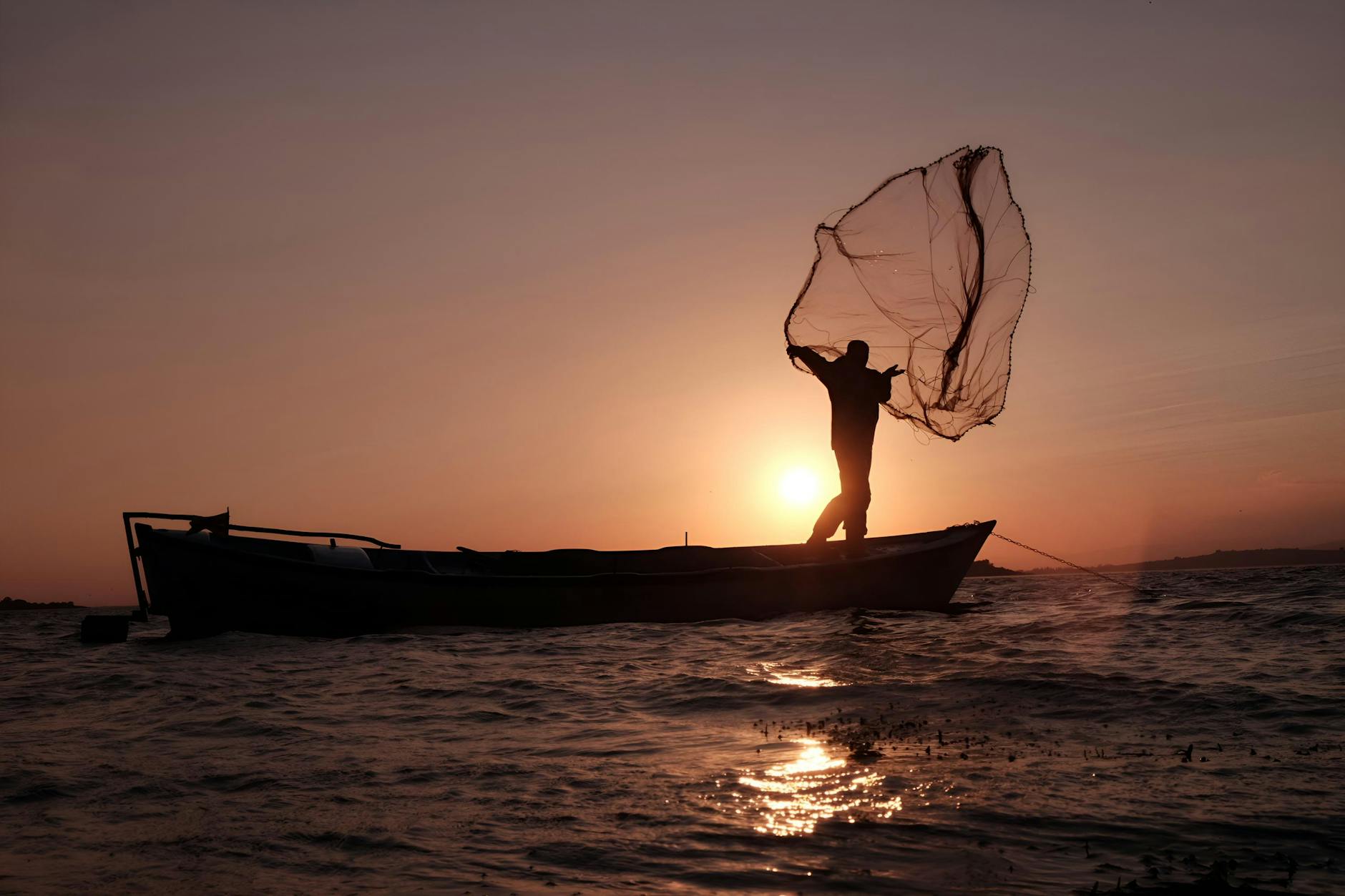
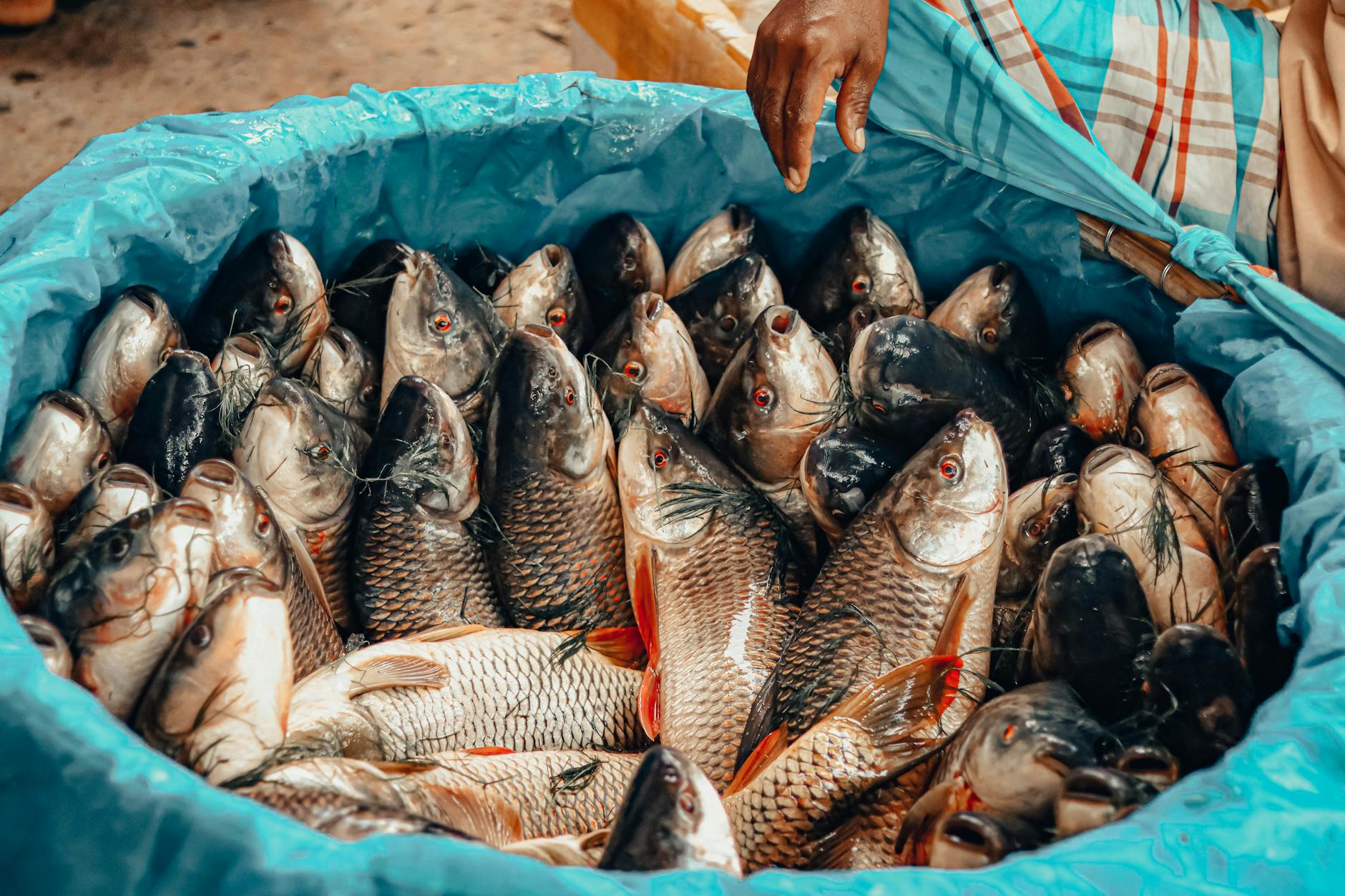
silver fish swimming in the sea

Aqua Ecology by definition


Aqua Ecology is a holistic, rights-based, and community-centered ecological framework for aquatic food systems. It integrates traditional knowledge, ecosystem stewardship, human rights, environmental justice, gender equality, and youth leadership to advance food sovereignty. Unlike industrial models focused on export profits and extraction, Aqua Ecology treats fishing and aquatic food production as dignified, skilled livelihoods rooted in harmony with nature. It prioritizes local nutrition, cultural practices, and democratic control over resources for communities that depend on them—especially small-scale fishers, women, youth, and Indigenous peoples in Sri Lanka and globally.
This approach, developed in the curriculum for Sri Lanka with the World Forum of Fisher Peoples (WFFP), positions Aqua Ecology as the aquatic counterpart to Agroecology. It views food not as a commodity but as a fundamental right, cultural practice, and shared ecological responsibility. The framework responds to threats like climate change, ecological degradation, overfishing, privatization, and policies favoring export-led growth over local food security.
Core Principles of Aqua Ecology and Food Sovereignty
Aqua Ecology affirms the right of people and communities to:
Decide what food they produce and consume.
Control land, water, seeds, and fisheries through those who depend on natural resources.
Use culturally appropriate, ecologically sound, and low-impact methods.
Participate meaningfully in governance.
Respect community traditions, wisdom, and intergenerational knowledge while coordinating with environmental cycles.

It rests on the Local Food First Principle: Prioritize local food security and nutrition before export markets. Small-scale fisheries provide affordable protein, nutrient-rich food, and security for coastal and inland communities. Export-oriented policies often undermine this by reducing local access.
Fishing is framed as a skilled ecological livelihood, not a backward occupation. Youth participation preserves traditional knowledge, strengthens local economies, prevents migration, and sustains stewardship of marine and inland waters.
Aqua Ecology emphasizes whole ecosystems as interconnected systems: rivers, tanks (freshwater bodies), wetlands, estuaries, beaches, lagoons, coastal waters, and open sea. It accounts for seasonal cycles, tides, monsoons, biodiversity, and links between farming, fisheries, forests, and wildlife. Ecosystem fragmentation via pollution, infrastructure, or enclosure directly threatens food production and livelihoods.
Ecosystems Central to Aqua Ecology

Healthy aquatic ecosystems are foundational.
Key components include:

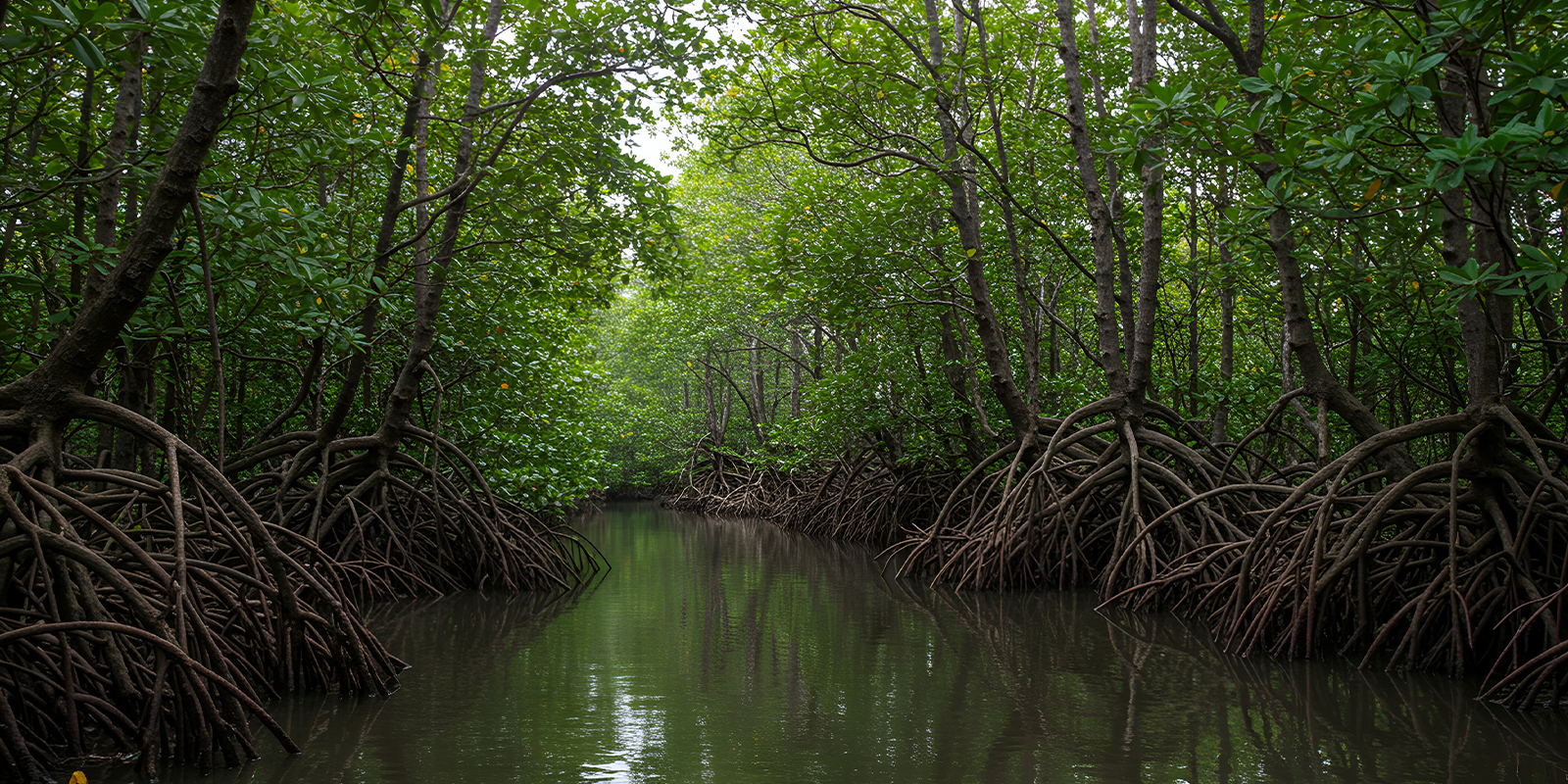
Mangrove forests — breeding and nursery grounds for fish and crustaceans.
Coral reefs — support marine biodiversity.
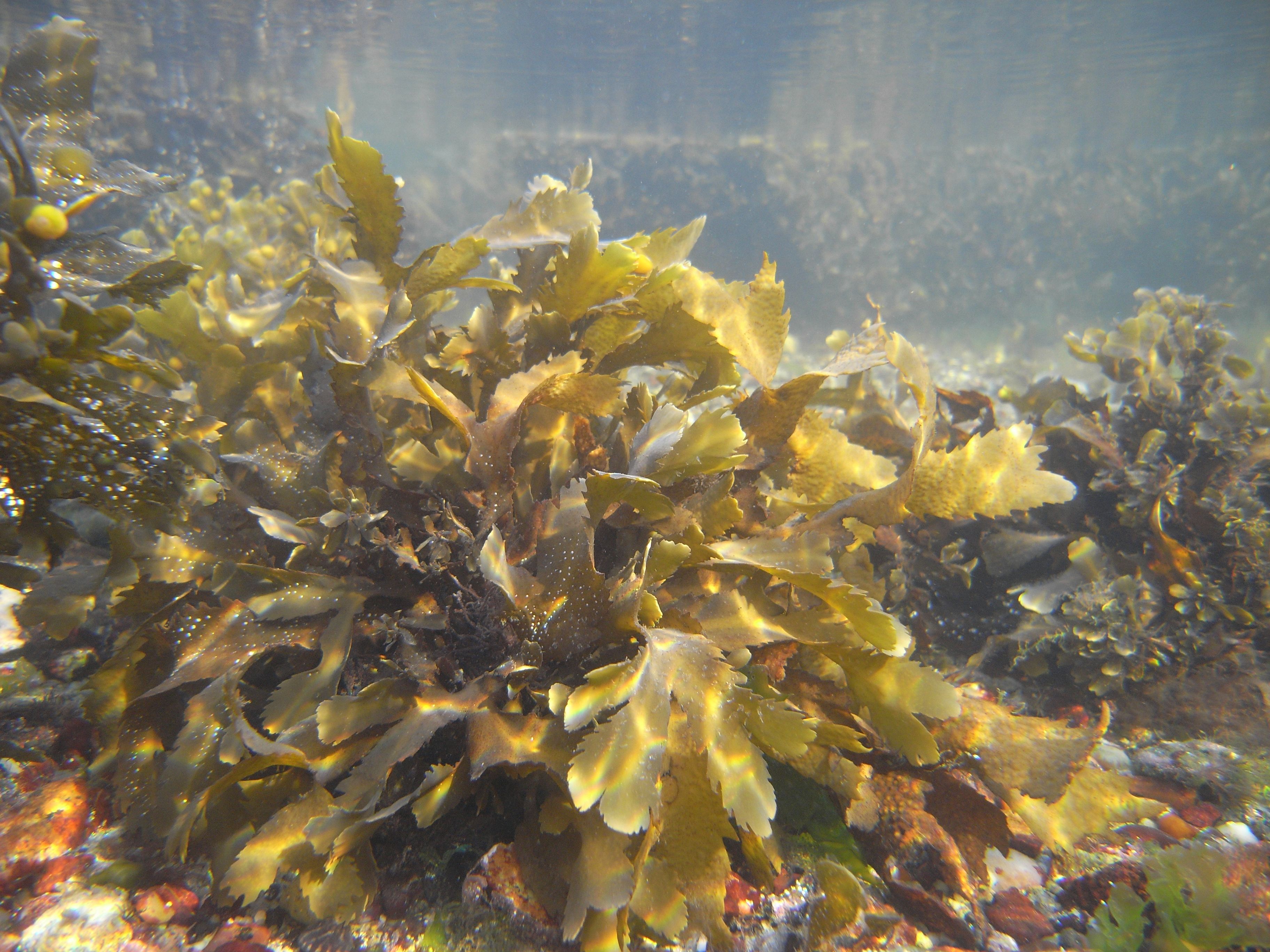
Seagrass beds and seaweed ecosystems — stabilize coasts and provide habitat.
Salt marshes, mud flats, and sea shore habitats.
Wetlands, lagoons, estuaries, and rivers — connect inland and coastal systems.
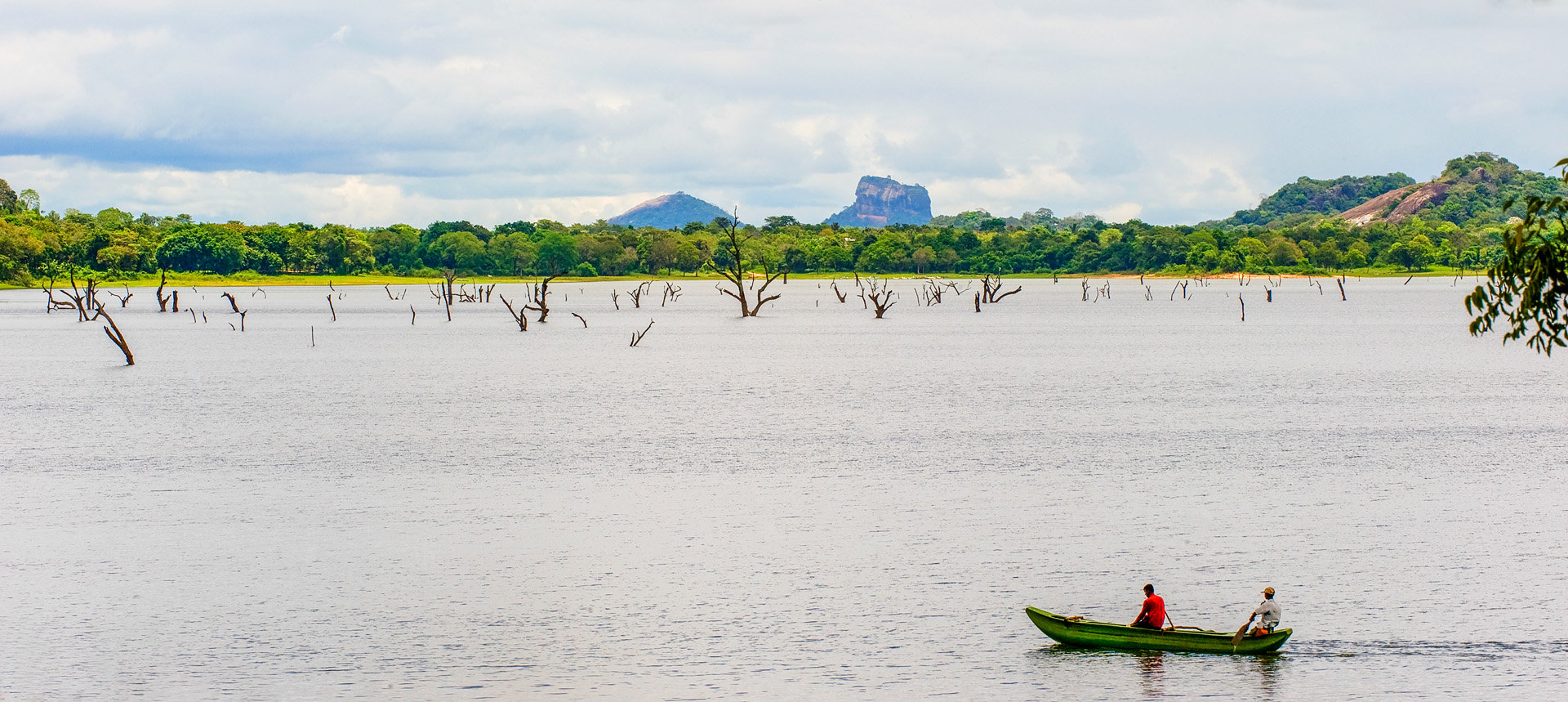
Traditional tank (wewa) cascade systems in Sri Lanka’s dry zone — ancient community-managed irrigation and fisheries infrastructure.
These must exist in harmony with surrounding landscapes (forests, grazing lands, agricultural fields). Lagoons are especially sensitive interfaces between freshwater and marine ecosystems; their health directly determines coastal fishery productivity. Pollution, overfishing, mangrove destruction, and habitat loss degrade them, leading to stock depletion and community vulnerability.

Water protection is non-negotiable: “No clean water = no healthy and nutritious aquatic food.” Major threats include industrial/clinical/nuclear waste dumping, aquaculture chemicals/hormones/feeds, agricultural runoff, plastics, untreated sewage, and toxic substances.
Traditional Knowledge, Practices, and Living with Nature
Aqua Ecology is a living practice, not abstract theory.

It draws on generations of fisher and Indigenous knowledge of:

Fish breeding cycles aligned with lunar, tidal, and seasonal patterns (rainy/dry seasons, monsoons, El Niño/La Niña).
Movements of specific fish species, birds, and dolphins.
Low-impact, selective fishing gears and methods that maintain biodiversity.
Community stewardship that restores degraded habitats.
Practical learning involves observation, seasonal mapping, dialogue with elders, and fisher-to-fisher knowledge exchange across generations. It also addresses environmental degradation (water quality decline, coastal erosion, marsh/wetland loss, seagrass/coral reef damage, freshwater depletion) and legal/institutional gaps (weak enforcement, inequities, lack of management plans).
Sri Lankan examples include Negombo lagoon’s “Stake Net Fishery” and ancient tank cascade systems, where King Parakramabahu the Great’s principle (“Not a single drop of rain water should flow to the sea without utilizing for useful tasks”) exemplifies efficient, collective water governance supporting agriculture, fisheries, livestock, and biodiversity.
Technology, Industrial Models, and Critiques
Technology is not neutral—it reflects power relations. Aqua Ecology critiques profit-driven “modern” technologies that accelerate overfishing and habitat destruction: mechanized trawlers, fine-mesh nets, sonar, export cold chains, bottom trawling, purse seine nets, dynamite, and seabed mining.

Industrial aquaculture (e.g., monocultures of prawns, sea cucumber, salmon) causes water pollution, disease outbreaks, mangrove/coral/seaweed destruction, displacement of small-scale fishers, seabed damage, and dependence on chemicals/hormones/artificial feeds.

GMOs in aquaculture require deep caution. Potential threats include biodiversity loss, native fish population risks, ecological imbalance, and human consumption concerns. The framework promotes precaution and ecological responsibility over unchecked technological introduction.
Instead, Aqua Ecology reclaims traditional, community-controlled, low-impact, knowledge-based technologies aligned with ecological limits. It supports selective gears, habitat restoration, and customary tenure systems where communities historically manage fishing grounds.
Community Management, Commons Governance, and Ecological Democracy
Many Sri Lankan ecosystems were traditionally managed as commons—shared spaces with collective decision-making (tanks, lagoons, coastal waters, forests, grazing lands). These are now pressured by privatization, large-scale development, industrial fishing, port constructions, reclamations, tourism, and industrial aquaculture.

Community-Based Fisheries Management (CBFM) builds on this heritage. Fishers act as knowledge holders and stewards who:
Agree on seasonal closures for spawning.
Restrict destructive gears and set mesh sizes.
Monitor illegal/industrial encroachment.
Resolve disputes through dialogue.
Resist waste dumping (nuclear, clinical, aquaculture).
Document and share traditional practices.

Lagoon User Committees enable collective decisions on access, pollution, mangrove restoration, destructive practice prevention, and inclusive participation of youth and women. They embody ecological democracy.

Tank (Wewa) Governance and Cascade Systems revive ancient collective agreements for water sharing, agriculture-fisheries integration, buffer zone restoration, pollution protection, and catchment area safeguarding. Main uses in Village Irrigation Systems include rice farming (primary) and fisheries (secondary), plus flower picking, animal husbandry, and cottage industries.
Commons governance shifts power from corporations to communities, ensuring decisions are made closest to those affected, traditional knowledge is valued alongside science, women’s roles are visible, youth participate actively, and ecosystems are protected for future generations.

Gender Justice and Youth Leadership

Women play central yet often invisible roles in post-harvest fisheries, seed preservation, and household nutrition. The curriculum addresses gendered impacts of degradation, exclusion from decision-making, and increased unpaid care work. Gender justice is essential to food sovereignty, not an add-on.

Youth are positioned as leaders, researchers, and custodians—not mere beneficiaries.
The framework supports:
Intergenerational knowledge exchange.
Youth-led ecological monitoring, advocacy, and climate action.
Critical engagement with technology and policy.
Pathways to dignified, sustainable livelihoods (e.g., eco-tourism, value-added seafood processing, organic farming, digital marketing of local products, small-scale sustainable aquaculture).
Core training modules include building social activists, disaster risk management (climate risks, coastal hazards, early warning), and eco-activist training (ecological knowledge, conservation, ethics). Integrated initiatives cover sustainable tourism, traditional fisheries integration, revitalization of traditional agriculture, and youth-led income generation (eco-friendly products, community tourism, startups).

Expected impacts: sustainable youth employment, stronger local economies, environmental stewardship, climate resilience, and enhanced social inclusion in decision-making.
Policies, Rights, and Global Frameworks

Aqua Ecology links food sovereignty inseparably to:

Right to Food.
Right to Livelihood.
Environmental rights.
Economic, social, and cultural rights.
Cultural rights (traditions, practices, beliefs, traditional governance).

It draws on global instruments: FAO Small-Scale Fisheries Guidelines, UNDRIP, UNCLOS, UNDROP, climate/biodiversity agreements, Nyéléni Declarations on Food Sovereignty (2007/2015 and 2025 forum), and ecosystem-based frameworks. These are analyzed alongside Sri Lankan fisheries, environmental, climate, and Blue Economy policies—highlighting gaps between commitments and realities.

Privatization and ocean grabbing

(tourism, industrial aquaculture, offshore infrastructure, gas/oil exploration, corporate concessions, WTO subsidies favoring corporations) lead to displacement, loss of customary tenure rights, ecological collapse, and increased community vulnerability. The framework calls for accountability via UN human rights processes.
Practical Processes for Establishing Aqua Ecology and Aquatic Reform

Key tools include:

Participatory mapping of commons — identify fishing/breeding grounds, seasonal flows, pollution hotspots, encroachments, climate-vulnerable zones, and fish catch patterns. This turns invisible problems into visible evidence for advocacy.

Legal literacy — understand national/international laws, regulations, complaint mechanisms, and rights (including customary tenure and Indigenous rights) to challenge violations, demand accountability, and protect resources.

Commons governance as ecological democracy — decisions closest to affected people; integration of traditional knowledge; inclusive participation; technology assessed by ecological limits; protection for future generations.
Challenges, Threats, and Pathways Forward

Major challenges:

Blue Economy/Blue Transformation and extractive models.
Destructive technologies and weak law enforcement.
Climate change, ecosystem collapse, and El Niño/La Niña impacts.
Policy contradictions and marginalization of traditional/Indigenous knowledge.
Gender inequality and youth exclusion.
Pathways emphasize Agro/Aqua Ecology narratives and documentation, human rights-based governance, community stewardship, policy engagement for aquatic reform, youth/women’s leadership, and reclaiming technology for ecological justice. Food sovereignty is a transformative process of claiming rights, not a single outcome.
Participatory methods include community storytelling, ecosystem observation, participatory mapping, seasonal calendars, policy analysis, youth-led research, gender dialogues, and field visits—empowering communities through Participatory Action Research (PAR).

Conclusion and Overall Vision

Aqua Ecology offers a comprehensive, integrated approach to resilient, just, and sustainable aquatic food systems. It reconnects ecology, culture, rights, and community empowerment while countering industrial extraction, privatization, and climate threats. By protecting ecosystems (mangroves, reefs, seagrass, lagoons, tanks), upholding traditional knowledge, ensuring gender and youth inclusion, securing tenure and environmental rights, and promoting commons governance, it strengthens food sovereignty in Sri Lanka and aligns with global movements like WFFP.


What Aqua-ecology is all about ?

Aqua Ecology is not just a theory, but a living practice deep rooted in community knowledge and practices. We bring the natural way of life of fishing communities worldwide who are living with nature, highlighting their traditional and indigenous knowledge and practices…

key principles and values of Aqua-Ecology

  • Focuses on food for people.
  • Values food providers.
  • Localizes food systems
  • Puts locals in control
  • Building on knowledge and skills
  • Working with nature
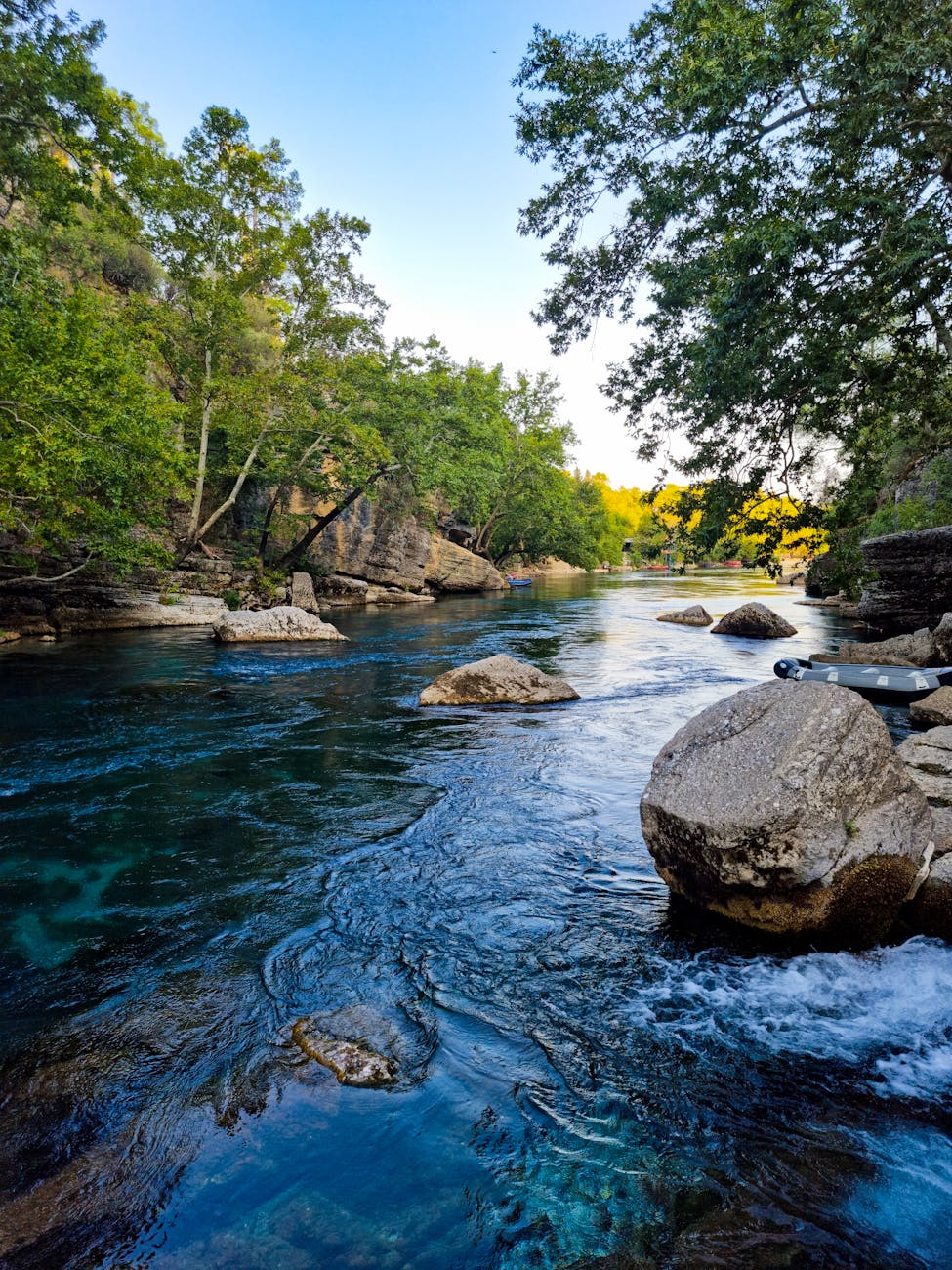
scenic view of flowing river on a forest
view of coral reef underwater

“Water is the driving force of all nature.”

Leornardo Da Vinci

World famous scientist, philosopher and Artist

Protecting Water from Pollution


Healthy aquatic ecosystems depend on clean water. Pollution threatens both ecosystems and human health.
Major sources of pollution include:
Industrial waste, clinical waste dumping and dumping nuclear waste in to water bodies,
Agricultural in agriculture sector and Aquacultural hormones, waste of feeds of shrimps, crabs, Salmon and chemicals,
Plastic and solid waste dumping, of cities,
Untreated sewage, of urban areas,
Toxic and hazardous substances,
The curriculum promotes a clear principle

No Pure Water = No Clean and Nutritious Food

“NO CLEAN WATER : NO HEALTHY & NUTRITIOUS AQUATIC FOOD”

Protecting water bodies is therefore a fundamental requirement for food sovereignty within AquaEcology principles and the practice.

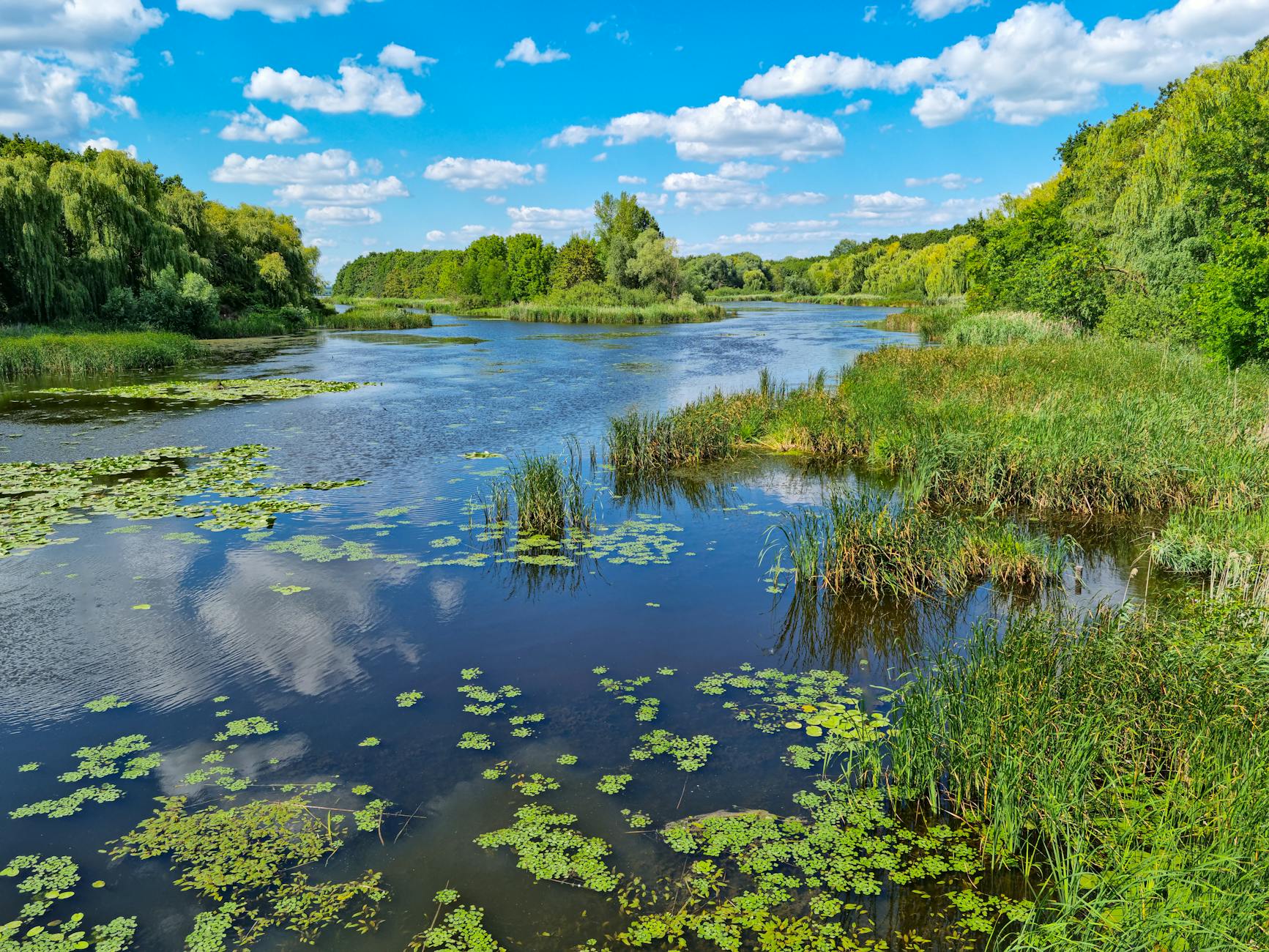
lake in summer nature near green forest

In Sri Lanka, many of our ecosystems were traditionally managed as commons shared spaces where communities collectively decided how to use and protect natural resources. Tanks, lagoons, coastal waters, forests, and grazing lands were not treated as private commodities. They were understood and primarily practiced as shared responsibilities

Today, these commons are increasingly under pressure from privatization, large scale development projects (Sri Lanka, Indonesia), industrial fishing, (Thailand) infra structure development, (India) port city constructions, (Sri Lanka) reclamations, (Indonesia, Philippines) tourism expansion, (Sri Lanka, Thailand) Industrial Aquaculture(Ecuador, Indonesia, Thailand) and policy decisions made far from the communities (Sri Lanka) who depend on these ecosystems. Strengthening commons governance is therefore essential for realization of food sovereignty.

Ocean Encroachment: A Growing Threat to Our Coasts and Ecosystems

Rising sea levels and intensifying storms are driving ocean encroachment — the steady inland advance of seawater — at an alarming rate. This silent crisis erodes beaches, floods low-lying communities, and salinizes freshwater aquifers and farmland, threatening food security and drinking water for millions. Critical habitats like mangroves, salt marshes, and coral reefs are being lost, endangering marine biodiversity and the natural barriers that protect coastlines from storms.

Without proper conservation, restoration, and climate solutions, the ocean’s advance will reshape our world — and not for the better. Join us in protecting our blue planet before it’s too late

Oysters and other shellfish as Nature’s Water Filters

Oysters are highly efficient “biological filters”. A single adult oyster can filter up to 50 gallons (nearly 190 liters) of water per day. They draw water in through their gills using tiny hair-like structures called cilia. As the water passes over the gills, the oyster traps plankton, algae, bacteria, sediments, and even certain pollutants (like nitrogen and heavy metals) in a mucus layer. It then either consumes the nutritious particles or expels the rest as small clumps called pseudofeces, which settle to the bottom.

This process dramatically improves water clarity and quality by:

  • Removing excess nutrients that fuel harmful algal blooms.
  • Reducing turbidity (cloudiness) so sunlight can reach underwater plants like seagrass.
  • Lowering levels of harmful bacteria and some contaminants.

How to protect Aquatic Ecosystems

Aqua Ecology requires the protection and restoration of the full range of aquatic ecosystems that sustain fisheries and food systems in Sri Lanka and the globe.

These includes:

Mangrove forests that serve as breeding and nursery grounds for fish,

Coral reefs that support marine biodiversity,

Seagrass beds and seaweed ecosystems that stabilize coastal environments,

Rivers, wetlands, lagoons, and estuaries that connect inland and coastal ecosystems,

Water catchment areas that sustain freshwater eco- systems,

Traditional tank cascade systems that preserve inland water bodies in Sri Lankan inland fisheries sector,

Protecting these ecosystems ensures the continuity of “sustainable food production”, “biodiversity”, and “climate resilience”. It also recognizes that aquatic ecosystems must exist in harmony with surrounding landscapes including forests, grazing lands, agricultural fields, and habitats for birds and wildlife

Blog posts

Subscribe our Newsletter

Stay in the loop with everything you need to know.